For two years, I was dazzled by the tool. Like almost everyone, I watched AI go from novelty to necessity and assumed that whoever wielded it best would win. I spent a long time chasing that edge. Then the edge disappeared.
It disappeared because the tool became a commodity. The same frontier model I use, you use. My competitor uses it too. The moment everyone holds the same instrument, the instrument stops being the thing that separates them. That is not a complaint — it is arithmetic. A variable that is identical for everyone cannot explain why one company pulls ahead of another.
So the interesting question is no longer which tool. It is the harder one underneath: in a world where the best instrument is free to all, what actually decides who wins?
Two reports, one answer, from opposite directions
Within a single month in 2026, two very different documents pointed at the same answer.
In March, Sequoia's Julien Bek published Services: The New Software, arguing that the next trillion-dollar company will sell the work, not the tool. His logic is clean: if you sell the tool, you are in a race against the model, and every release threatens to make your product a feature. But if you sell the work, every improvement in the model makes your service faster and cheaper. The value moves from the instrument to the outcome — and the outcome is produced by people.
A month later, Gallup priced the other side of that same coin. Its State of the Global Workplace 2026 estimated the annual cost of workforce disengagement at around ten trillion dollars — roughly nine percent of global GDP. That figure exists because behind every tool there is still a person, and most of those people have quietly stopped bringing anything beyond the minimum.
One report says the value is in the work. The other says the people who do the work have checked out. Read together, they describe the same gap from two sides.
Eight in ten
Twenty percent of the working world is engaged. Invert it and the number lands differently: eight in ten people are not engaged with the work they do every day. They show up. They are competent. They do what is asked and no more. Nothing in a management dashboard detects it, because on paper the work still gets done.
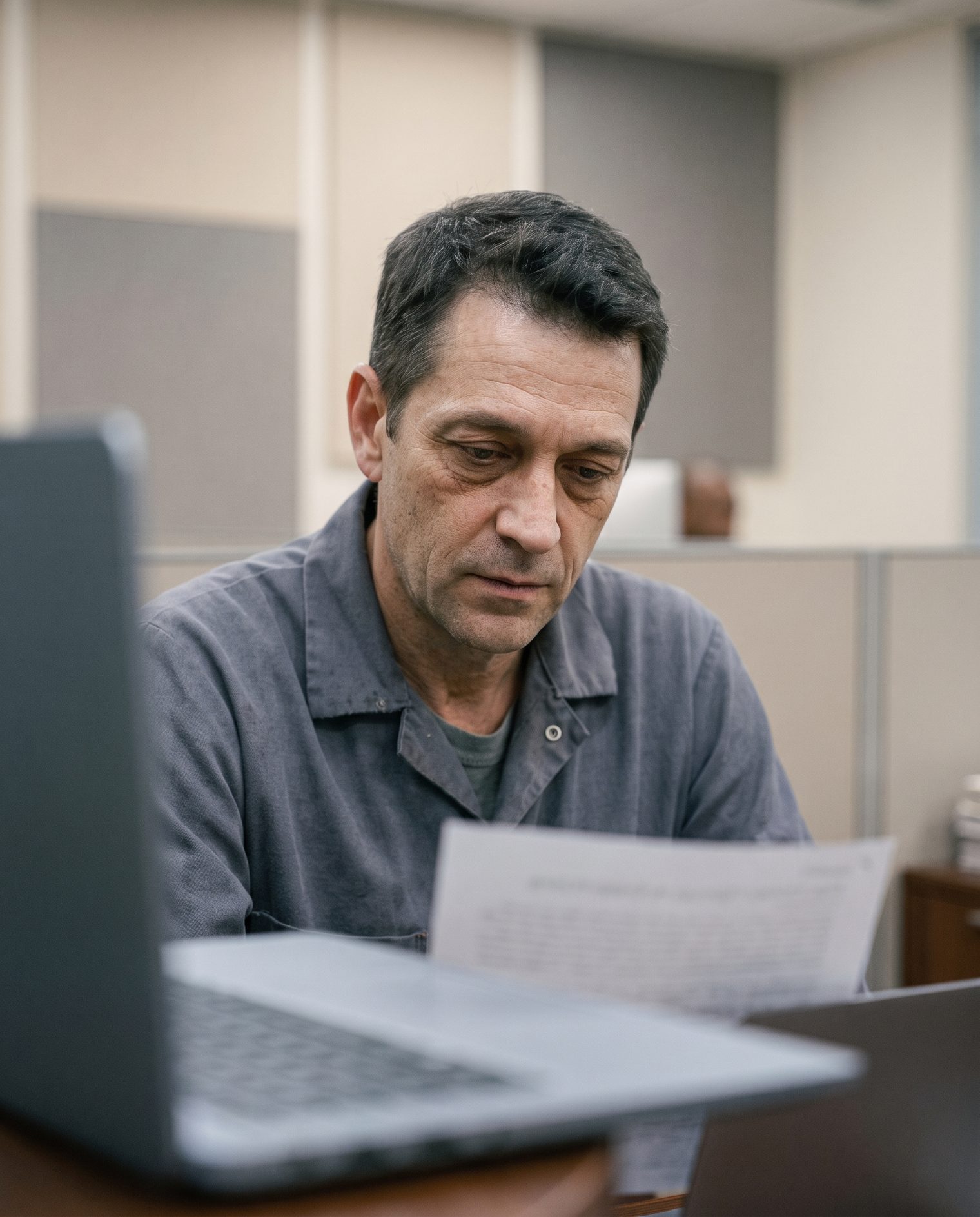
We have spent centuries chasing productivity through better instruments — the plough, the engine, the spreadsheet, and now the model. Each wave assumed the tool was the lever. And each wave was partly right, until the tool became universal and the lever moved somewhere else.
It has moved to the person holding it. That is the variable now. Not because people suddenly matter more in some sentimental sense, but because everything else has been equalised. When the instrument is the same for everyone, the only remaining difference is whether the human using it actually wants to be there.
Why a better tool can't fix this
Here is the part worth sitting with. Disengagement did not rise because AI was too weak, and it will not fall because AI gets stronger. The next model release will not make eight in ten people want their jobs. This is not a technology problem, so no technology update solves it.
It is a problem of design — of how work itself is structured. A worker who owns no share of what they build, holds no portable record of what they are good at, and gains nothing visible from staying, behaves exactly as the system rewards them to: they do the minimum, and they leave when something marginally better appears. That is not a character flaw. It is a rational response to a structure that offers them nothing to stay for.
Which means the next real gain in productivity — the revenue, the GDP we have chased for generations — will not come from a better model. It will come from the people we have spent this entire era looking straight past.
I do not have the whole answer. But I am increasingly sure of the shape of the question, and it is not the one most of the industry is asking. Everyone is still optimising the tool. Almost no one is building for the person.
A note on the image above. It was generated by AI — which rather proves the point. The tool made the picture in seconds. A person had to decide what it needed to say, notice when it said the wrong thing, and correct it until it was true. The instrument was free. The judgement was not.
GOE is being built for that judgement, and for the people who carry it — the workforce the last era looked past.
See how GOE worksSources
- Julien Bek, Services: The New Software, Sequoia Capital, March 2026. sequoiacap.com/article/services-the-new-software
- Gallup, State of the Global Workplace 2026 — annual cost of disengagement estimated at ~9% of global GDP. gallup.com/workplace/state-of-the-global-workplace